October Update 2026
October 2, 2026 Ministry Journal, Upcoming Events No Comments

Album Release and Published Article
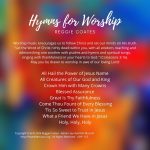
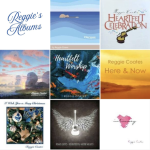
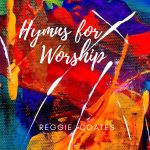
Hope your Autumn season is off to a good start! We just sent the September Newsletter last week, but because of the new album release, online concert, and recent publication of an article I wrote for Worship Leader Magazine, we’re sending the October Newsletter early. The Album Release Concert is this Sunday, October 4, at 5:00pm (PT) on Facebook Live. The new album, Hymns for Worship, is set to drop October 4 on all the streaming platforms like Spotify, iTunes, Apple Music, Amazon, and Pandora. It’s available for purchase in MP3 or WAV format to play on all your devices at Gumroad.com.
.
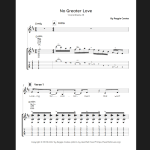
I recently wrote an article for Worship Leader Magazine on what to practice before you lead worship called Preparing to Lead Worship as a Singer-Guitarist. It’s the first of four articles that will help guitarists effectively prepare for a worship event. Worship Leader Magazine is dedicated to equip worship pastors, musicians, songwriters, and ministry teams with theological depth, spiritual formation, and practical resources.
.
Thank you for your continued encouragement, prayers, and support to keep this ministry vibrant and relevant.
Songs on the New Album
Songs on the album are All Hail the Power of Jesus Name, All Creatures of Our God and King, Crown Him with Many Crowns, Blessed Assurance, Great Is Thy Faithfulness, Come Thou Fount of Every Blessing, ‘Tis So Sweet to Trust in Jesus, What a Friend We Have in Jesus, and Holy, Holy, Holy
Home Concert on Facebook Live
I hope you can join me for a live Home Concert this Sunday, October 4, at 5:00pm (PT), on Facebook Live. My stories and performance of these songs will be raw and down-to-earth. I’ll reveal more about the album and sing a few other significant songs to encourage you and lift your spirit.
Worship Leader Magazine Article
Worship Leader Magazine just published my article on what to practice before leading worship —Preparing to Lead Worship as a Singer-Guitarist. When you prioritize preparation, you create an environment where both you and your congregation can freely enjoy the presence of God.
Upcoming Events
The online live Album Release Home Concert will be Sunday, October 4, at 5:00pm (PT). Hope you can join me as I share about the hymns on my new album Hymns for Worship. It will not be recorded for future viewing, but only live at that time. CLICK HERE to get to the Facebook Live event and save on your calendar.